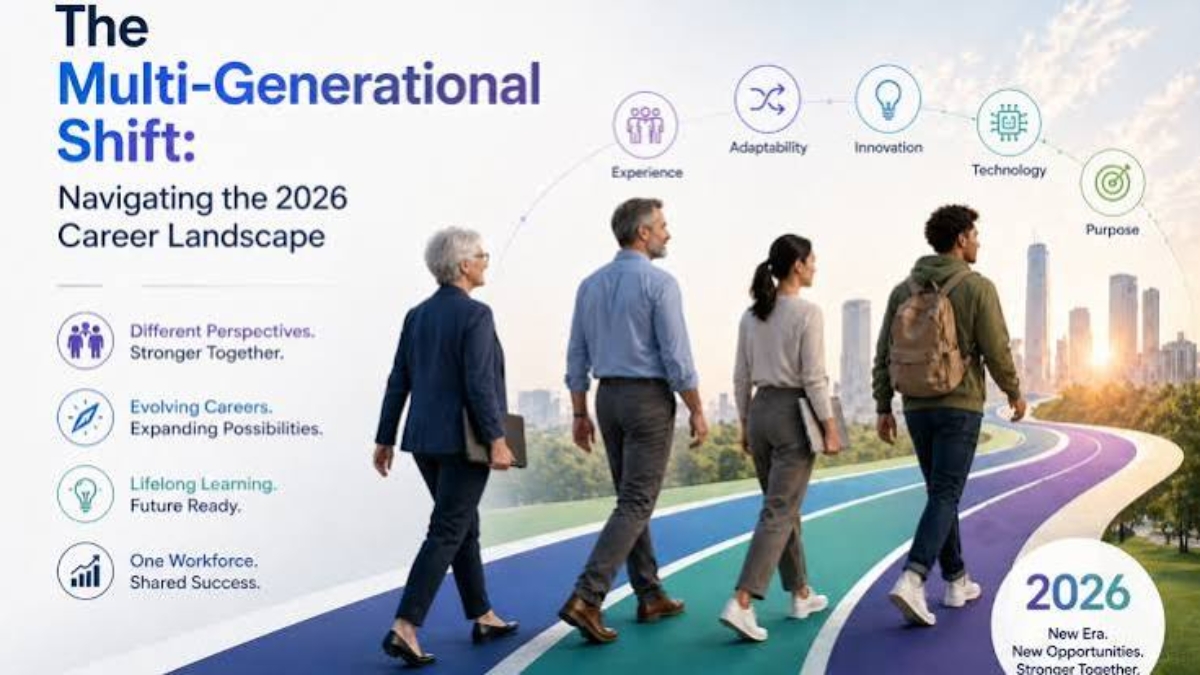
How AI Is Changing Career Planning in 2026 ?

AI is reshaping the way students plan their future careers – here is a full guide to future careers.The Future of Career Planning with AI – A Comprehensive Guide to Future Careers.
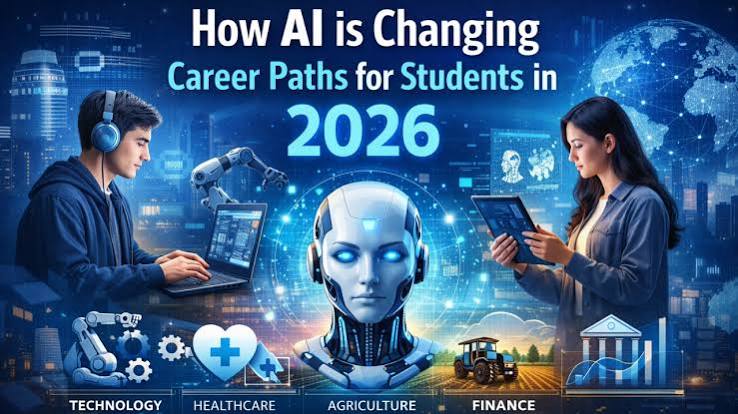
Discover how AI is transforming students’ career planning by exploring its applications, benefits, and drawbacks.Navigate students’ career planning with AI: learn about its applications, benefits, and drawbacks.

Explore the impact of Artificial Intelligence on Career Planning for students. Gain insights on the effect of AI on employment, future job prospects, key skills, and being prepared for the future.

Focus Keyword: How AI Is Changing Career Planning of Students

how ai is changing-career-planning-of-students

Understand how AI is reshaping career planning for students and learn about potential opportunities in your future career.
Introduction

Artificial Intelligence (AI) is not futuristic anymore, it is a reality today. AI is revolutionizing learning, work, and career, ranging from virtual assistants and recommendation systems to self-driving technology and intelligent chatbots. With the advent of new technology, students need to reexamine their approach to the future job market.

Traditionally, career planning has been seen in terms of choosing a degree, acquiring skills and techniques, and looking for work when the student graduates. But the fast pace of AI development is transforming the way this is done. In today’s world, students must be knowledgeable about new and emerging technologies, be able to adapt to change, and be lifelong learners to be competitive. AI isn’t going to replace every job, but it is changing the way every industry operates, forming new jobs, and altering the preferred skills of the employers.

The guide outlines how AI is transforming career planning for students, the opportunities and challenges it offers, and some of the steps students can take to prepare for a successful career in an AI future.

What is Artificial Intelligence (AI)?

Artificial Intelligence (AI) is computer systems that can emulate human intelligence. These tasks are as follows: learning from data, understanding language, recognizing images, solving problems, predicting, and generating content.

In the field of education, AI is being utilized in various ways such as grading assignments, creating personalized learning plans, and administering tests.In healthcare, AI could assist in patient care by analyzing medical records for patterns and trends to aid in diagnosis and treatment.In the banking sector, AI can be helpful in automating repetitive tasks, like processing customer transactions and identifying fraudulent activity. AI is now an integral part of business life, and every student entering the world of work will likely interact with AI systems in his or her career.

https://www.apnacollege.in

The reasons for the change of Career Planning.

Career Planning is not just about picking a career! It’s about being ready for the fast-changing world of technology and the changing nature of jobs.

Employers are now looking for graduates who can:

Work effectively with AI tools.
Solve complex problems.
Apply a critical and creative thinking approach.
Get up and running with new technologies in a short amount of time.
Make adjustments to meet the needs of the workplace.
Work concurrently with humans and smart systems.

Students who develop these skills will be more successful in the future career.

There are also benefits to AI for students’ career planning.AI also offers several positive advantages to students’ career planning.

  1. Better Career Guidance

AI-driven job sites can analyze a student’s interests, academic achievement, and abilities to suggest appropriate career paths. The customized suggestions support students in reflecting on their learning and career paths.

  1. Personalized Learning

AI can help with customizing education by tailoring learning to each student’s specific needs. Students are provided with individualized study plans, timely feedback and extra resources adapted to their strengths and needs. This enhances learning efficiency and enables students to acquire industry-relevant skills.

  1. Improved Skill Development

Students are able to use AI tools to practice coding, enhance writing, learn foreign languages, solve maths problems, and research information. AI serves as a learning assistant, facilitating ongoing skill acquisition.

  1. Personalized Learning Plans and Pathways

Students have access to online courses, virtual tutors, AI tutors, and learning platforms from all over the world. This provides a chance to acquire high-level competencies wherever you go.

  1. Increased Productivity

The AI automates repetitive tasks like taking notes, summarizing information, structuring study times and making practice quizzes. This enables students to focus more on conceptual and hands-on aspects.

People have to engage in tasks that they are supposed to understand.

There are many advantages of AI, but students should also know of the drawbacks.

Job Automation

Some tasks are automated to a certain extent in the basic ones. As AI capabilities improve, some roles that involve repetitive tasks with administrative duties, data entry, and customer service can become repetitive.

But, automation typically alters roles not jobs.

Constant Skill Updates

Technology evolves rapidly. Students are no longer able to depend on learning just in their university. In today’s world, a person’s success in his or her career demands that he or she be able to learn throughout life.

It is essential that professionals continually update their skills via certification, workshops, online training and hands-on experience.

Increased Competition

As AI boosts everyone’s productivity, companies will likely expect improved work done quicker. Building the ability of students to use AI effectively will give them a competitive edge.

Ethical Challenges

Additionally, students should also be made responsible for the use of AI. Issues requiring ethical choices and digital responsibility include plagiarism, misinformation, copyright, privacy and bias.

Jobs AI May Change

Routine tasks in jobs are likely to be automated by AI, not necessarily replace all workers. The roles that are most impacted are:

Data entry clerks
Customer service team members at the most basic level of the organization.
Telemarketing agents
Simple bookkeeping positions
Routine administrative assistants
Content Generation roles, which are considered basic.
Hand scheduling and record keeping.

The roles are evolving, and employees are increasingly likely to manage rather than perform repetitive tasks with AI tools.

The opportunities that are growing with the help of AI.

AI is creating new employment opportunities like:

Artificial Intelligence Engineer
Machine Learning Engineer
Data Scientist
Robotics Engineer
AI Researcher
AI Product Manager
Prompt Engineer
AI Consultant
Cybersecurity Specialist
Cloud Computing Engineer
Data Analyst
Automation Specialist

People who excel in these areas are likely to have good prospects for employement in the future.

Skills students need in the future for their work.

Students will need to have technical skills alongside human skills to thrive in an AI-driven environment.

Technical Skills
AI fundamentals
Python programming
Data analysis
Machine learning basics
Cloud computing
Cybersecurity awareness
Database management
Digital literacy
Human Skills
Critical thinking
Creativity
Communication
Leadership
Emotional intelligence
Teamwork
Adaptability
Problem-solving
Decision-making
Time management

These are the skills that are hard to replace with AI and are human skills.

The knowledge students ought to acquire to be ready for the future with an AI dimension.The knowledge students should have on preparing for an AI-driven future.

Students need to understand these basic concept of artifical intelligence for career in 2027

Have an understanding of basic concepts of Artificial Intelligence.
Become very proficient in the use of the computer and other technology.
Program using programming languages (Python).
Responsible use of AI tools for enhancing learning.
Create real-world projects and professional portfolio.
Gain work experience and internships.
Earn industry-recognized certifications.
Improve communication and team working skills.
Keep up to date with new technologies.
Be committed to lifelong learning and continuous improvement.
Career Planning for a New Era

Employers will value candidates who can combine technical skills with creative, emotional intelligence and problem-solving skills for tomorrow’s workplace. AI isn’t taking the place of human talent, it’s a powerful partner.

Flexible, innovative, and lifelong learners will be better prepared for changing employment opportunities and new opportunities.

It is more important for students to think about how AI can contribute to improving them at what they do rather than “Will AI take my job?” This attitude will enable them to remain competitive in a world that has become more technology-based.

Conclusion

AI is transforming the job landscape in numerous ways, including the skills that employers are seeking, new career opportunities, and automation of repetitive tasks. Traditional positions will change, but there will be a whole host of new careers in technology, health sciences, finance, and education, among others, as well. Once students are AI literate and gain technical skills and uniquely human qualities from creativity, communication and critical thinking, they will be ready for success. In the future workforce, students will be equipped with a positive mindset towards lifelong learning and the use of AI as a tool, not a threat, ensuring their success in the future.

https://procareertip.com/wp-admin/post.php?post=663&action=edit

Frequently Asked Questions (FAQs):

What are the effects of AI on career planning for students?

AI can provide students with career insights based on data to explore career paths, learn about skills in demand, customize learning, and prepare for future careers.

How will AI impact the job market in the future?

    Not everything can be automated by AI: While there are a lot of repetitive tasks that AI can perform, tasks involving creativity, leadership, interaction with people and complex decision making will still be human dependable.

    What are the most needed skills in the AI era?

    The students should know about Digital Literacy, Basics of Artificial Intelligence, Programming, Data Analysis, Critical Thinking, Creativity, Communication, Team work and adaptability.

    What are the jobs that are expanding due to AI?

    Popular and expanding careers include AI engineering, machine learning, data science, cybersecurity, robotics, cloud computing, AI consulting and automation engineering.

    What are the steps for preparing students for the jobs of the future?

    Peoples need to have a grounding in the basics of AI, to be able to build practical applications, to gain experience in the real world, to find appropriate qualifications for their chosen field and to keep their skills up to date with the latest technology as much as possible.

    How to Become a master in Software Engineer in 2026: (Career Roadmap by procareertip guider)

    Lead the way to become a Software Engineer with procareertip guider: Career Roadmap (2026 Beginner’s Guide by procareertip guider)

    Meta Description: Software Engineer Career Roadmap 2026: A Step-by-Step Guide on How to Become a Software Engineer.
    Follow this step by step Software Engineer Career Path to become a Software Engineer. Learn about the necessary skills, programming languages, degree and salary, and career pathway.

    How to become a software engineer career path?

    One of the best and most sought-after professions in the world is software engineering. Software engineers are responsible for developing the software that drives our daily life including constructing websites, mobile applications, artificial intelligence systems, computing platforms and more.

    From student to career changer to self-taught, this book will take you on the complete journey to becoming a successful software engineer.

    What does a Software Engineer do?

    A software engineer is a professional that designs, develops, tests and maintains software applications. They apply engineering principles and programming knowledge to develop a reliable, secure and efficient software solution.

    sectors for software engineers by procareertip

    Software engineers can be employed in various sectors, including:

    Technology
    Healthcare
    Finance
    Education
    Gaming
    E-commerce
    Government

    Students will learn the basic concepts of computer science.Students will learn some basics of computer science.

    Software students career in technology field

    The technology industry is one of the fastest growing and most influential industries in the world, and software students have an endless number of career opportunities in this field. The demand for skilled software professionals is growing as businesses, governments, educational institutions, healthcare organisations, financial companies, and industries are all embracing digital transformation. The software students have the technical knowledge and problem-solving skills that enable them to design, develop, test, deploy and maintain software applications that are the backbone of modern business and everyday life. Whether it’s on smartphones or websites, in the cloud or AI, software engineers bring technology to life that connects people and enhances productivity in every industry. Software developed by smart engineers enables these different services every time a person books a taxi through a ride-sharing app, orders food online, shops at an eCommerce platform or participates in a virtual meeting.
    The software graduates can have an array of career options as per their interests and specialisations. They can work as Software Engineers, Full-Stack Developers, Front-End Developers, Back-End Developers, Mobile Application Developers, Web Developers, Cloud Engineers, DevOps Engineers, Cybersecurity Specialists, Data Scientists, Machine Learning Engineers, Artificial Intelligence (AI) Engineers, Blockchain Developers, Game Developers, Embedded Systems Engineers, Software Testers, Quality Assurance (QA) Engineers, Systems Analysts, Database Administrators, Solutions Architects, and IT Consultants. These roles are all crucial to developing reliable, secure and efficient software systems that are essential for organisations to function on a day-to-day basis. For example, a Front-End Developer develops an online shopping platform’s interactive interface, making it easy for users to navigate and shop for products. A Back-End Developer is the one who works on creating the server-side code that handles orders and securely stores customer data. In the meantime, the site is tested to find bugs by a QA Engineer and to guarantee a smooth user experience.

    A major benefit to learning software engineering is the wide range of industries that need software engineers. Software graduates are highly sought after by technology firms like software companies, cloud service providers, cybersecurity companies and AI startups. But, there are opportunities beyond technology companies. Banks require software developers to design secure online banking systems; hospitals should have a healthcare software solution; universities need learning management systems; retailers need eCommerce platforms, and government organisations need digital systems to provide public services. In the banking sector, for instance, mobile banking software is created to facilitate bank customers to send money, pay bills, and check their accounts safely. Electronic health records (EHRs) are developed in hospitals to assist physicians in accessing patient data quickly. Software engineers are needed in universities to keep up with online learning platforms for students to participate in virtual classes and to submit assignments and take tests.
    With the advent of modern technologies, the software students have more career opportunities. With Artificial Intelligence and Machine Learning, industries are changing with the help of intelligent applications that recognize images, understand speech, predict trends and make decisions. For instance, a Machine Learning Engineer can design a recommendation engine for a store that recommends products based on customers’ buying history, or build an AI system that identifies fraudulent financial transactions. With the adoption of cloud computing, there is a growing need for individuals who are proficient in cloud platforms, as it becomes a vital requirement for businesses that demand scalable and secure infrastructure. A Cloud Engineer can help to move a business’s data from physical servers onto cloud infrastructure, so that staff can access the systems with security anywhere in the world. Cybersecurity Specialists safeguard organisations against cyber attacks by putting firewalls in place, tracking for suspicious activities, and reacting to cyber threats. Data Scientists interpret and interpret millions of records to find business trends and Blockchain Developers develop secure digital payment systems and smart contracts. New fields like the Internet of Things (IoT), Augmented Reality (AR), Virtual Reality (VR), Robotics, Quantum Computing and Edge Computing are promising new possibilities. For instance, home manufacturers are creating smart home solutions that enable users to manage their light, security cameras, and home appliances through their mobile app.
    Students in the software discipline also have a very flexible work environment. Many jobs do not allow such an option, but software development is a field where it is possible to work remotely, from the comfort of your own home or with international teams. There are also a number of companies that have jobs available that are part time or fully remote that will allow software engineers to work in a company without having to move to another country. An IT developer based in Pakistan might work on projects for European or North American firms, or even in Australia, and communicate with colleagues via video conferencing and project management software, or collaborative coding platforms.
    Another better alternative career for software students is Freelancing. Online freelancing platforms offer software developers opportunities to offer a range of services to clients worldwide, such as website development, mobile application building, software maintenance, API integration, automation services, and custom software development. A web developer could create websites for small businesses, or a mobile app developer could create fitness or educational apps for overseas business. Starting out with small jobs and eventually building up successful businesses, many freelancers have been known to do this by providing high quality work and cultivating client relationships.
    Another important opportunity for the technology industry is the field of entrepreneurship. Numerous tech start-ups started out as students’ or young entrepreneurs’ software projects. Software graduates can develop their own mobile apps, Software-as-a-Service (SaaS) software, Web apps, productivity apps, AI products, education apps, gaming apps, or eCommerce solutions. One such example could be a group of university students creates an online appointment scheduling solution for local clinics that eventually grows to become a national healthcare solution. Another development can be a budgeting app that assists an individual with their individual funds, which can ultimately provide a profitable subscription-based organization.
    The tech sector is also a very lucrative one. Software engineering tends to pay more than most other jobs because of the rising demand for skilled software professionals. Skills such as AI, cloud computing, cybersecurity, DevOps, and data science are highly sought-after across the globe, leading to premium wages for professionals who specialize in these areas. Many software professionals make extra money with software sales, mobile applications, consulting, online programming courses, technical blogging and sponsorship of open source software projects.

    Software students career in healthcare field

    The health care industry holds a lot of potential for software students, as the healthcare sector is increasingly becoming dependent on digital technology to enhance patient care, efficiency, and data management. These are crucial roles that software engineers fulfill in creating electronic health record (EHR) systems, telemedicine applications, hospital administration software, mobile health applications, medical imaging systems, and AI-driven diagnostic tools. They also safeguard patient data and provide secure answers to sensitive patient information with cyber security solutions and assist in healthcare delivery with cloud computing, data analytics and wearable health technologies. Students from software engineering can find employment in hospitals, health-tech firms, pharmaceutical companies, medical research institutes and health insurance providers. With healthcare undergoing digital transformation, the demand for skilled software professionals is on the rise, promising exciting career paths with the potential for impact and innovation on a global scale.

    software student career in finance field

    The finance industry offers a wide array of career opportunities for software students, as technology is integral to managing financial services and transactions. They can become software developers, financial technology (FinTech) engineers, data analysts, cyber security professionals, cloud engineers, and AI or machine learning engineers for banks, investment institutions, insurance companies, and financial technology (FinTech) companies. They are involved in creating online banking platforms, mobile payment apps, digital wallets, trading platforms, fraud detection systems, and secure financial software. The need for proficient software professionals continues to increase as the finance sector starts to use digital transformation, automation, and AI. It’s a field with competitive salaries, international job opportunities and good future prospects for further career development.

    software student career in Ecommerce field

    As online shopping becomes increasingly popular around the globe, there are a variety of career prospects for software students in the eCommerce industry. Software experts build and handle eCommerce sites, cell shopping applications, payment gateways, stock Administration methods, customer relationship Management (CRM) programs, and order tracking methods. They also assist in optimizing website speed, user experience, cybersecurity and even AI-powered product recommendations. Online retailers, marketplaces, digital payments companies, logistics companies, and eCommerce technology companies are all open to software graduates looking to join the workforce. Software students have a bright future in this growing digital commerce landscape, with opportunities for high-demand roles, competitive salaries, remote work, and potentially helping to develop innovative solutions for online business.

    fundamental of computer science

    Understand the fundamentals of computer science before implementing code.

    Important Topics
    Algorithms – sequence of instructions for efficiently solving problems.
    Data Structures – How to structure data (e.g. arrays, linked lists, stacks, queues, trees, graphs).
    Variables – boxes in a program that hold data.
    Functions – Code blocks that can be reused that perform a specific task.
    Loops – Repeat a set of instructions several times.
    Conditional Statements – Make decisions in the program with if, else and switch statements.

    Knowing these simple basics will make it much simpler to learn programming.

    The second step is to acquire a Programming Language.

    Programming Languages are used to communicate with the computer.

    Common easiest languages to learn:


    Python

    Easy to learn
    Ideal for Artificial Intelligence, automation, and data science.
    Excellent for beginners


    JavaScript


    Used for websites
    Front end development requires it.It is needed for front end development.
    Has the ability to create backend applications with Node.js


    Java


    Popular Enterprise Software
    Android development is a frequent occurrence.


    C++

    Good for learning basics of programming.
    Utilized in video games and high-speed software applications.Applied in gaming and performance software.

    Select one language first and master it before learning other languages.

    Learn Object-Oriented Programming (OOP)

    OOP arranges the code into objects and classes.

    Important OOP concepts:

    Class – blue print for making objects.
    Object – Particular individual of a class.
    Encapsulation – Data is protected within objects.
    Inheritance – Making new classes from existing classes.
    Polymorphism – Polymorphism is the ability to have one interface that can be used to execute different actions.

    OOP can aid in creating large and maintainable applications.

    Understand version control using Git.

    Git is a version control system that keeps track of changes in your code.

    Benefits include:

    Save project history
    Collaborate with teams
    Restore previous versions
    Manage code safely

    Get familiar with the basics of Git:

    git init
    git add
    git commit
    git push
    git pull

    Learn GitHub

    GitHub is a cloud-based platform that allows developers to store and share their code with others via the Git version control system.

    Benefits:

    Develop a business portfolio
    Collaborate on projects
    Show commitment to open source software.Be part of an open source project.
    Demonstrate coding skills to employers
    6: Learn Data Structures and Algorithms (DSA)

    DSA helps to develop problem-solving skills and is crucial for technical interviews.

    Important topics:

    Arrays
    Strings
    Linked Lists
    Stacks
    Queues
    Trees
    Graphs
    Hash Tables
    Sorting Algorithms
    Searching Algorithms

    Regularly solve coding challenge problems from coding websites.

    Learn Databases

    Databases are required for applications to store information.

    There are two popular ones:

    SQL Databases

    Examples:

    MySQL
    PostgreSQL

    Employ structured tables and relationships.

    NoSQL Databases

    Examples:

    MongoDB
    Firebase

    Ease of storage and scale of flexible data

    learn front-end development.

    In front-end development, the emphasis is on the user’s interaction and view of a website.

    Essential technologies:

    HTML

    Describes the hierarchy of Web pages.

    CSS

    Controls layout, colour, fonts and styling.

    JavaScript

    Incorporates interactive elements like buttons, forms, animation and dynamic content.

    Popular frameworks:

    React
    Vue.js
    Angular
    In Step 9, you will begin to learn how to build a website using Back-End Development.

    The back end is concerned with the server, database and the logic behind the application.

    Popular technologies:

    Node.js
    Programming language: Python (Django or Flask)
    Java (Spring Boot)
    PHP (Laravel)
    C (.NET)

    Responsibilities include:

    User authentication
    Database management
    APIs
    Business logic
    Security
    Step 10: Understand APIs

    An API (Application Programming Interface) is a way for two or more software applications to communicate.

    Examples:

    Payment gateways
    Weather services
    Google Maps integration
    Social media login

    Most modern applications use REST APIs or GraphQL APIs.

    Learn Cloud Computing.

    Cloud Computing is the ability of the applications to run on other servers rather than on the local computer.

    Popular cloud platforms:

    Amazon Web Services (AWS)
    Microsoft Azure
    Google Cloud Platform product (GCP)

    It’s important for any software engineer working today to have a fundamental understanding of cloud.

    Blog

    Learn Software Testing

    Testing guarantees software performs properly before it is released.

    Types include:

    Unit Testing – Tests individual functions.
    Integration Testing – tests the interaction between components.
    System Testing – Tests the entire application.
    Automated Testing – runs tests automatically with tools.

    Testing helps to enhance the quality of software and minimize bugs.

    You will also learn to create real projects in Step 13: Build Real Projects.

    Projects reflect your application of skills.

    Ideas include:

    To-do list app
    Calculator
    Weather app
    Portfolio website
    Blog platform
    Chat application
    Expense tracker
    Online shopping website

    Employers prefer practical than tutorials.

    Learn Problem-Solving

    Software engineering is the solution of real world problems.

    Practice:

    Coding challenges
    Debugging code
    Optimizing algorithms
    Making the applications more and more sophisticated.

    Logical thinking is enhanced with regular practice.

    Make a good portfolio

    A portfolio is a display of your best work.

    Include:

    Personal projects
    GitHub profile
    Technical skills
    Resume
    Live project links
    Project descriptions
    Contact information

    A professional portfolio will help you to pass the interview stage.

    Grasp the key aspects of Technical Interviews in Step 16.

    During a technical interview, you may encounter:

    Coding challenges
    These questions are based on Data Structures and Algorithms.
    System design basics
    Behavioral questions
    Problem-solving exercises

    Do pretend job interviews and clarify your thought process.

    The process of applying for software engineering positions.How to apply for Software Engineering Jobs.

    Some of the most popular roles are:

    Junior Software Engineer
    Front-End Developer
    Back-End Developer
    Full-Stack Developer
    Mobile App Developer
    Software Developer
    QA Engineer
    DevOps Engineer

    https://www.hostinger.com/pk/wordpress-hosting?utm_source=google&utm_medium=cpc&utm_id=19978242391&utm_campaign=Generic-Hosting-WordPress-Exact|NT:SE|LO:PK&utm_term=wordpress&utm_content=666231591252&gad_source=1&gad_campaignid=19978242391&gbraid=0AAAAADMy-hbu3yrCKn3TQ06f5zxcgBHUf&gclid=CjwKCAjw7KvTBhA6EiwAWnutYUGI3k0MXUkVS-elHNVQqNwWNMhCN169R9iLWH8w9t4E8tUnlQSfuhoCtQsQAvD_BwE

    Customize resumes and portfolios for each job.

    This book covers various important skills that every software engineer should have.
    Technical Skills
    Programming
    Git and GitHub
    Databases
    APIs
    Data Structures
    Algorithms
    Software Testing
    Cloud Computing
    Debugging
    System Design
    Soft Skills
    Communication
    Teamwork
    Critical Thinking
    Time Management
    Adaptability
    Continuous Learning
    Need a Computer Science Degree?

    No. One can have a Computer Science degree, but many of the most successful software developers are self-taught or have taken coding boot camps and on-line courses. Employers are looking for your skills and your portfolio more than your education.

    How Long Does it Take to become a Software Engineertimeframe by procareertip guider

    Timeframe is subjective and based on your learning speed and experience.

    Learning Path: 2.5 hours of study time.
    Full-time self-study 6–12 months
    Part-time learning 12–24 months
    The Bachelor of Computer Science is a course that can be completed in three to four years.
    Coding bootcamp 3–9 months

    This approach can greatly accelerate your learning by using regular practice and project building.

    Career Opportunities

    There are a number of specialties software engineers can go for, including:

    Web Development
    Mobile App Development
    Artificial Intelligence (AI)
    Machine Learning
    Cybersecurity
    Cloud Engineering
    DevOps
    Data Engineering
    Game Development
    Embedded Systems

    Specialization can assist you in working your career directly toward your interests and the needs of the market.

    Final Thoughts

    The path to becoming a software engineer is a continuous process of learning, practice, and knowledge. Cover programming basics, computer science fundamentals, and then strengthen and build upon them with real world projects and create a portfolio to display your skills. By persevering and branching out to learn, you can create a viable career in one of the world’s fastest growing industries.

    Procareertip

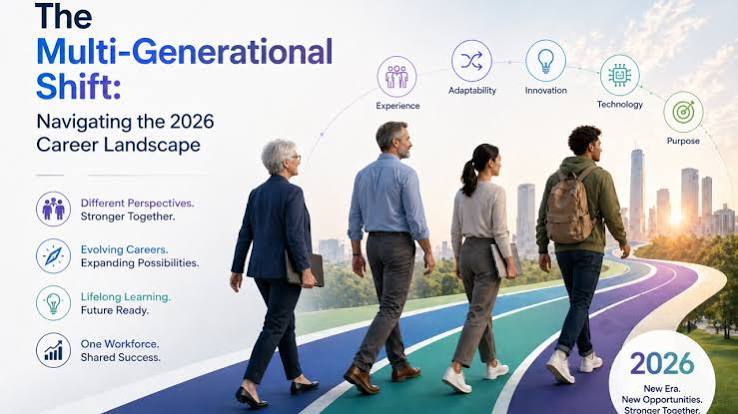
    Mastering Your Future: A ProCareerTip Guide to Navigating the Modern Work Landscape in 2026

    The world of work is in constant motion, shaped by rapid technological advancements, evolving global economies, and shifting workforce demographics. For professionals across all industries, navigating this dynamic landscape requires more than just doing a good job; it demands proactive engagement, continuous learning, and strategic development. As we look towards 2025 and beyond, understanding and adapting to these changes is not merely an advantage—it’s a necessity for sustained career growth and fulfillment. This article offers a comprehensive procareertip guide to empower you in shaping your career trajectory, ensuring you remain relevant, connected, and poised for success.

    Introduction: Navigating the Evolving Landscape of Your Career

    The modern job market is characterized by unprecedented dynamism. Industries are transforming at a swift pace due to technological innovations, global events, and changing consumer and employee preferences. This creates both challenges and abundant opportunities. The traditional career path, often linear and predictable, has largely given way to a more fluid and adaptable journey. To thrive, we must embrace a mindset of continuous evolution, viewing challenges not as roadblocks but as catalysts for growth.

    A key trend shaping the job market is the rise of skills-based hiring, where employers increasingly prioritize specific competencies over traditional degrees and years of experience. Furthermore, the growing presence of Artificial Intelligence (AI) in the workplace is automating routine tasks and creating a demand for new, higher-level skills. This necessitates a strategic approach to career development, focusing on acquiring in-demand skills and building a resilient professional identity.

    Cultivating Essential Skills for a Dynamic Future

    In a landscape where job roles evolve faster than job descriptions, a multifaceted skill set is paramount. We need a combination of technical prowess, robust soft skills, and a global perspective to succeed.

    Embracing Continuous Learning and Tech Proficiency

    Continuous learning is fundamental to staying relevant in a rapidly changing job market. This means constantly gaining new, relevant skills to stay ahead of the curve. Upskilling and reskilling are vital processes for enhancing existing knowledge and acquiring new competencies.

    • Online Courses and Certifications: Platforms like Coursera, edX, LinkedIn Learning, and Udemy offer flexible options to acquire new skills and certifications in various fields.
    • Industry Trends: Staying informed about the latest industry trends and developments is crucial. Subscribing to industry publications, following relevant blogs, and joining professional social media groups can help anticipate changes and position ourselves accordingly.
    • Tech Proficiency: Proficiency in leveraging technology tools and understanding digital systems is no longer optional; it’s a necessity. This ranges from basic computer skills to a deeper understanding of data analytics, AI, and machine learning. These skills are among the most in-demand for future careers, with data visualization also being a top fastest-growing digital skill.

    Developing Adaptability and Core Soft Skills

    While technical skills might open doors, soft skills determine how far we go in our careers. Employers are increasingly valuing interpersonal skills, emotional intelligence, and adaptability.

    Adaptability is the ability to learn and cope with change to become successful. It involves challenging our own thinking, shifting ideas based on new information, and adjusting our approach to changes without creating unnecessary stress. It’s a defining competitive advantage in a workplace that changes faster every year.

    Key adaptability skills include:

    • Communication Skills: Effective verbal, written, and non-verbal communication is crucial for conveying ideas clearly, listening actively, and engaging in meaningful dialogue, especially in remote and hybrid environments.
    • Emotional Intelligence (EQ): This involves understanding and managing our own emotions, as well as recognizing and influencing the emotions of others. EQ is critical for building strong working relationships, managing stress, and navigating workplace conflicts.
    • Critical Thinking and Problem-Solving: Employers seek individuals who can analyze situations, identify issues, and develop creative solutions independently. These skills are particularly important for innovation and strategic thinking.
    • Collaboration and Teamwork: The modern workplace values individuals who can work productively with diverse teams, contribute to shared goals, and navigate conflicts effectively.

    A World Economic Forum Future of Jobs Report identified adaptability and cognitive flexibility among the top skills employers will prioritize through 2030.

    Strategic Networking and the Power of Mentorship

    Building and nurturing relationships is not just a critical career skill but a critical life skill. Networking and mentorship are powerful tools that, when combined, can significantly enhance our professional journey.

    Building Meaningful Professional Relationships

    Strategic networking goes beyond simply exchanging business cards; it’s about forming genuine connections and building trust. A strong professional network can open doors to new opportunities, provide valuable advice, and even introduce us to potential employers.

    Here are tips for building meaningful professional relationships:

    • Be Genuine and Authentic: Approach relationships with genuine interest rather than just seeking immediate gain. Focus on how you can learn from each other.
    • Diversify Your Interactions: Connect with colleagues, former co-workers, industry peers, and professionals from different departments or fields. This can happen online (e.g., LinkedIn) and offline (e.g., industry events).
    • Attend Events and Join Professional Organizations: Participate in career fairs, industry-specific conferences, and professional groups to meet professionals and stay updated on trends.
    • Practice Active Listening and Follow Up: Show genuine interest by asking questions and actively listening. After meeting someone, send a polite email or message to stay connected.
    • Offer Help Before Asking: Focus on creating shared value within your network.

    Mentorship is a transformative force in a career, offering guidance, support, and knowledge from experienced professionals. Mentored professionals are reportedly five times more likely to receive a raise or promotion, and mentors themselves are six times more likely to advance.

    Benefits of mentorship include:

    • Clarity and Confidence: Mentors provide perspective when we’re stuck and courage when stepping into the unknown.
    • Access to Networks and Opportunities: Mentors expand our access to influential networks, opening doors to strategic roles, referrals, and speaking engagements.
    • Faster, More Strategic Learning: Mentorship shortcuts trial-and-error, offering real-world insights and helping build critical skills.
    • Increased Career Confidence and Resilience: Mentors provide emotional support and encouragement during challenges, helping to normalize setbacks and build resilience.

    We should proactively seek out mentors who align with our career goals and areas needing guidance. A “mosaic mentoring” approach, involving diverse relationships, can be particularly beneficial, providing multiple perspectives and strategic sponsorship

    https://scholartechguide.com/.

    Proactive Career Management and Personal Branding

    In a competitive job market, actively managing our career and cultivating a strong personal brand are essential for advancement.

    Setting SMART Goals and Showcasing Your Value

    Professional goals are concrete objectives we want to achieve in our careers, combining short-term steps with long-term aspirations. The SMART framework is a popular and effective method for setting clear, trackable goals.

    SMART Goals are:

    • Specific: Clearly define what you want to achieve. (e.g., “Complete a public speaking course and lead one team presentation in the next quarter” instead of “get better at public speaking”).
    • Measurable: Establish metrics to track progress. (e.g., “Attend one networking event per month” instead of “build a professional network”).
    • Achievable: Ensure your goals are realistic and attainable given your resources and timeframe.
    • Relevant: Align your goals with your overall career aspirations and the needs of your industry.
    • Time-bound: Set a clear deadline for achieving your goal.

    Once goals are set, showcasing our value to employers is crucial. Being valuable isn’t enough; we must communicate that value clearly and consistently.

    • Define Your Unique Value Proposition: Identify what differentiates you—your key strengths, achievements, and industry expertise.
    • Vocalize Your Talents: Be confident and vocalize your strengths to your manager and leaders. Internalizing your strengths won’t benefit your career path.
    • Develop a Strong Online Presence: Your personal brand is the story you tell potential employers. Maintain consistent online profiles (LinkedIn, personal websites) that reflect your brand. Share successes, insights, and expertise both internally and on professional platforms.
    • Connect Work to Company Goals: Frame your contributions in terms of how they help the business meet its objectives.
    • Seek and Act on Feedback: Regularly solicit feedback from peers and mentors to understand how your brand is perceived and make necessary adjustments.
    • https://procareertip.com/blog/

    FAQ: Your Top Career Questions Answered

    We understand that the evolving job market can raise many questions. Here, we address some common concerns to provide further clarity and actionable procareertip advice.

    How can I stay relevant in a rapidly changing job market?

    Staying relevant is an ongoing process that requires a proactive and strategic approach.

    • Embrace Continuous Learning: Regularly acquire new skills, especially in technology like data analytics, AI, and machine learning, through online courses, certifications, and workshops. Upskilling is the secret to staying ahead.
    • Monitor Industry Trends: Keep a close eye on what’s happening in your industry. Understand emerging needs and skill gaps so you can position yourself to fill them.
    • Cultivate Adaptability and Soft Skills: Develop your ability to adjust to new circumstances, learn quickly, and pivot when needed. Strengthen communication, emotional intelligence, critical thinking, and problem-solving skills.
    • Build Your Personal Brand: Clearly define and communicate your unique value. Maintain a strong, consistent online presence that showcases your expertise and achievements.
    • Grow Your Network: Actively build and maintain professional relationships. A strong network can provide insights into new opportunities and industry developments.

    What’s the most effective way to network for career growth?

    Effective networking is about building meaningful, lasting relationships rather than just collecting contacts.

    Conclusion: Empowering Your Career Trajectory

    The evolving career landscape demands a proactive, adaptable, and continuously learning professional. By embracing a growth mindset, cultivating essential technical and soft skills, strategically building and nurturing professional relationships, and effectively managing our personal brand, we can not only navigate the complexities of the modern work environment but also thrive within it. This procareertip guide emphasizes that our career journey is not a fixed path but an ongoing expedition of discovery and development. By investing in ourselves and our connections, we empower our career trajectory, ensuring long-term success and fulfillment in an ever-changing world.