
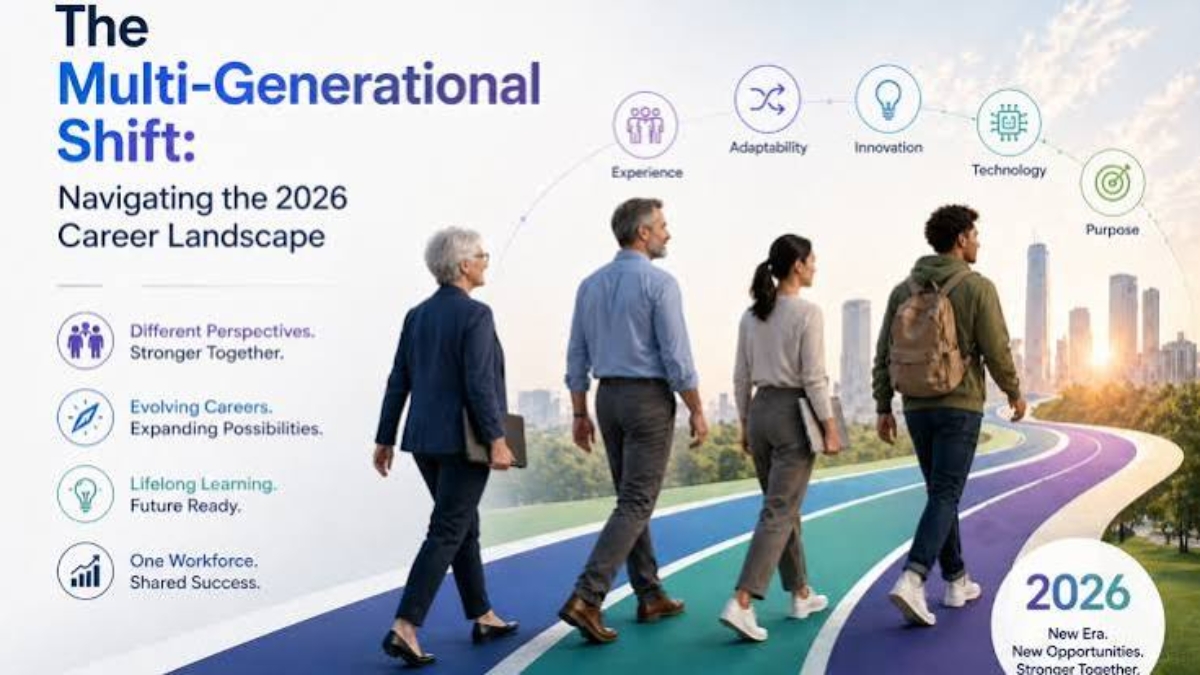
The world of work is in constant motion, shaped by rapid technological advancements, evolving global economies, and shifting workforce demographics. For professionals across all industries, navigating this dynamic landscape requires more than just doing a good job; it demands proactive engagement, continuous learning, and strategic development. As we look towards 2025 and beyond, understanding and adapting to these changes is not merely an advantage—it’s a necessity for sustained career growth and fulfillment. This article offers a comprehensive procareertip guide to empower you in shaping your career trajectory, ensuring you remain relevant, connected, and poised for success.
Table of Contents
Introduction: Navigating the Evolving Landscape of Your Career
The modern job market is characterized by unprecedented dynamism. Industries are transforming at a swift pace due to technological innovations, global events, and changing consumer and employee preferences. This creates both challenges and abundant opportunities. The traditional career path, often linear and predictable, has largely given way to a more fluid and adaptable journey. To thrive, we must embrace a mindset of continuous evolution, viewing challenges not as roadblocks but as catalysts for growth.
A key trend shaping the job market is the rise of skills-based hiring, where employers increasingly prioritize specific competencies over traditional degrees and years of experience. Furthermore, the growing presence of Artificial Intelligence (AI) in the workplace is automating routine tasks and creating a demand for new, higher-level skills. This necessitates a strategic approach to career development, focusing on acquiring in-demand skills and building a resilient professional identity.
Cultivating Essential Skills for a Dynamic Future
In a landscape where job roles evolve faster than job descriptions, a multifaceted skill set is paramount. We need a combination of technical prowess, robust soft skills, and a global perspective to succeed.
Embracing Continuous Learning and Tech Proficiency
Continuous learning is fundamental to staying relevant in a rapidly changing job market. This means constantly gaining new, relevant skills to stay ahead of the curve. Upskilling and reskilling are vital processes for enhancing existing knowledge and acquiring new competencies.
- Online Courses and Certifications: Platforms like Coursera, edX, LinkedIn Learning, and Udemy offer flexible options to acquire new skills and certifications in various fields.
- Industry Trends: Staying informed about the latest industry trends and developments is crucial. Subscribing to industry publications, following relevant blogs, and joining professional social media groups can help anticipate changes and position ourselves accordingly.
- Tech Proficiency: Proficiency in leveraging technology tools and understanding digital systems is no longer optional; it’s a necessity. This ranges from basic computer skills to a deeper understanding of data analytics, AI, and machine learning. These skills are among the most in-demand for future careers, with data visualization also being a top fastest-growing digital skill.
Developing Adaptability and Core Soft Skills
While technical skills might open doors, soft skills determine how far we go in our careers. Employers are increasingly valuing interpersonal skills, emotional intelligence, and adaptability.
Adaptability is the ability to learn and cope with change to become successful. It involves challenging our own thinking, shifting ideas based on new information, and adjusting our approach to changes without creating unnecessary stress. It’s a defining competitive advantage in a workplace that changes faster every year.
Key adaptability skills include:
- Communication Skills: Effective verbal, written, and non-verbal communication is crucial for conveying ideas clearly, listening actively, and engaging in meaningful dialogue, especially in remote and hybrid environments.
- Emotional Intelligence (EQ): This involves understanding and managing our own emotions, as well as recognizing and influencing the emotions of others. EQ is critical for building strong working relationships, managing stress, and navigating workplace conflicts.
- Critical Thinking and Problem-Solving: Employers seek individuals who can analyze situations, identify issues, and develop creative solutions independently. These skills are particularly important for innovation and strategic thinking.
- Collaboration and Teamwork: The modern workplace values individuals who can work productively with diverse teams, contribute to shared goals, and navigate conflicts effectively.
A World Economic Forum Future of Jobs Report identified adaptability and cognitive flexibility among the top skills employers will prioritize through 2030.
Strategic Networking and the Power of Mentorship
Building and nurturing relationships is not just a critical career skill but a critical life skill. Networking and mentorship are powerful tools that, when combined, can significantly enhance our professional journey.
Building Meaningful Professional Relationships
Strategic networking goes beyond simply exchanging business cards; it’s about forming genuine connections and building trust. A strong professional network can open doors to new opportunities, provide valuable advice, and even introduce us to potential employers.
Here are tips for building meaningful professional relationships:
- Be Genuine and Authentic: Approach relationships with genuine interest rather than just seeking immediate gain. Focus on how you can learn from each other.
- Diversify Your Interactions: Connect with colleagues, former co-workers, industry peers, and professionals from different departments or fields. This can happen online (e.g., LinkedIn) and offline (e.g., industry events).
- Attend Events and Join Professional Organizations: Participate in career fairs, industry-specific conferences, and professional groups to meet professionals and stay updated on trends.
- Practice Active Listening and Follow Up: Show genuine interest by asking questions and actively listening. After meeting someone, send a polite email or message to stay connected.
- Offer Help Before Asking: Focus on creating shared value within your network.
Mentorship is a transformative force in a career, offering guidance, support, and knowledge from experienced professionals. Mentored professionals are reportedly five times more likely to receive a raise or promotion, and mentors themselves are six times more likely to advance.
Benefits of mentorship include:
- Clarity and Confidence: Mentors provide perspective when we’re stuck and courage when stepping into the unknown.
- Access to Networks and Opportunities: Mentors expand our access to influential networks, opening doors to strategic roles, referrals, and speaking engagements.
- Faster, More Strategic Learning: Mentorship shortcuts trial-and-error, offering real-world insights and helping build critical skills.
- Increased Career Confidence and Resilience: Mentors provide emotional support and encouragement during challenges, helping to normalize setbacks and build resilience.
We should proactively seek out mentors who align with our career goals and areas needing guidance. A “mosaic mentoring” approach, involving diverse relationships, can be particularly beneficial, providing multiple perspectives and strategic sponsorship
https://scholartechguide.com/.
Proactive Career Management and Personal Branding
In a competitive job market, actively managing our career and cultivating a strong personal brand are essential for advancement.
Setting SMART Goals and Showcasing Your Value
Professional goals are concrete objectives we want to achieve in our careers, combining short-term steps with long-term aspirations. The SMART framework is a popular and effective method for setting clear, trackable goals.
SMART Goals are:
- Specific: Clearly define what you want to achieve. (e.g., “Complete a public speaking course and lead one team presentation in the next quarter” instead of “get better at public speaking”).
- Measurable: Establish metrics to track progress. (e.g., “Attend one networking event per month” instead of “build a professional network”).
- Achievable: Ensure your goals are realistic and attainable given your resources and timeframe.
- Relevant: Align your goals with your overall career aspirations and the needs of your industry.
- Time-bound: Set a clear deadline for achieving your goal.
Once goals are set, showcasing our value to employers is crucial. Being valuable isn’t enough; we must communicate that value clearly and consistently.
- Define Your Unique Value Proposition: Identify what differentiates you—your key strengths, achievements, and industry expertise.
- Vocalize Your Talents: Be confident and vocalize your strengths to your manager and leaders. Internalizing your strengths won’t benefit your career path.
- Develop a Strong Online Presence: Your personal brand is the story you tell potential employers. Maintain consistent online profiles (LinkedIn, personal websites) that reflect your brand. Share successes, insights, and expertise both internally and on professional platforms.
- Connect Work to Company Goals: Frame your contributions in terms of how they help the business meet its objectives.
- Seek and Act on Feedback: Regularly solicit feedback from peers and mentors to understand how your brand is perceived and make necessary adjustments.
- https://procareertip.com/blog/
FAQ: Your Top Career Questions Answered
We understand that the evolving job market can raise many questions. Here, we address some common concerns to provide further clarity and actionable procareertip advice.
How can I stay relevant in a rapidly changing job market?
Staying relevant is an ongoing process that requires a proactive and strategic approach.
- Embrace Continuous Learning: Regularly acquire new skills, especially in technology like data analytics, AI, and machine learning, through online courses, certifications, and workshops. Upskilling is the secret to staying ahead.
- Monitor Industry Trends: Keep a close eye on what’s happening in your industry. Understand emerging needs and skill gaps so you can position yourself to fill them.
- Cultivate Adaptability and Soft Skills: Develop your ability to adjust to new circumstances, learn quickly, and pivot when needed. Strengthen communication, emotional intelligence, critical thinking, and problem-solving skills.
- Build Your Personal Brand: Clearly define and communicate your unique value. Maintain a strong, consistent online presence that showcases your expertise and achievements.
- Grow Your Network: Actively build and maintain professional relationships. A strong network can provide insights into new opportunities and industry developments.
What’s the most effective way to network for career growth?
Effective networking is about building meaningful, lasting relationships rather than just collecting contacts.
Conclusion: Empowering Your Career Trajectory
The evolving career landscape demands a proactive, adaptable, and continuously learning professional. By embracing a growth mindset, cultivating essential technical and soft skills, strategically building and nurturing professional relationships, and effectively managing our personal brand, we can not only navigate the complexities of the modern work environment but also thrive within it. This procareertip guide emphasizes that our career journey is not a fixed path but an ongoing expedition of discovery and development. By investing in ourselves and our connections, we empower our career trajectory, ensuring long-term success and fulfillment in an ever-changing world.